
Key Points:
- Early DAS planning helps prevent costly changes during later construction stages.
- RF surveys reveal weak coverage areas before final antenna placement begins.
- Building materials can significantly affect emergency radio signal strength indoors.
- Trade coordination helps avoid cable routing and equipment access conflicts.
- Antenna placement should follow responder routes and actual coverage needs.
- Local approval requirements should be confirmed before final system design.
- Final testing should reflect the building’s completed condition and layout.
- Clear records make future inspections, repairs, and renovations easier to manage.
- Regular maintenance helps protect reliable emergency communication over time.
Austin business developers often focus first on budgets, tenants, layouts, and construction schedules. Emergency radio coverage can receive less attention, even though weak indoor signals may cause serious problems later. Concrete walls, steel framing, coated glass, stairwells, garages, and interior service areas can all weaken radio signals. Planning for coverage early gives teams more time to fix weak areas before ceilings close and important spaces become harder or more costly to reach.
Early planning also helps developers see that emergency radio coverage is part of the building infrastructure. It involves design, equipment space, power, cable routes, testing, records, and local approval. These needs can affect other trades and the overall project schedule. When developers include the system in early planning, they can reduce late changes, protect finished areas, avoid repeated work, and create a clearer path toward final testing, approval, and future maintenance.
Public Safety Planning Before Construction Moves Forward
A public safety DAS system should be considered while the project team can still make easy changes to the building plan. Developers can review stairwells, fire command areas, garages, mechanical rooms, and deep interior spaces before construction moves too far. Early planning makes it easier to reserve equipment space, choose cable routes, and plan antenna locations. It also helps teams see which building materials may create radio coverage problems later.
Waiting until late in construction can turn small changes into expensive work. A blocked riser, finished ceiling, or crowded equipment room may force crews to choose a new cable path or reopen completed areas. For example, finding weak garage coverage just before final testing can place pressure on the schedule. Developers can avoid many of these problems by reviewing emergency communication needs with electrical, fire alarm, security, and other building systems from the start.
RF Surveys Reveal Emergency Coverage Gaps
An RF survey gives the project team a clearer view of radio coverage inside the property. Technicians can measure signal strength and find areas where outside radio signals may not reach well. These checks are useful in stairwells, basements, utility rooms, long hallways, garages, and other enclosed spaces. Instead of guessing where coverage may fail, developers receive real information that can guide antenna locations, cable routes, and other design choices.
The building should also be checked again as construction moves closer to completion. New walls, doors, glass, equipment, and tenant improvements can change how radio signals travel. An area that performs well during framing may become weaker after fire-rated doors or mechanical equipment are installed. Planning for both early checks and later testing gives teams more time to make changes without turning every new coverage problem into major construction work.
DAS Installation Coordination across Building Trades
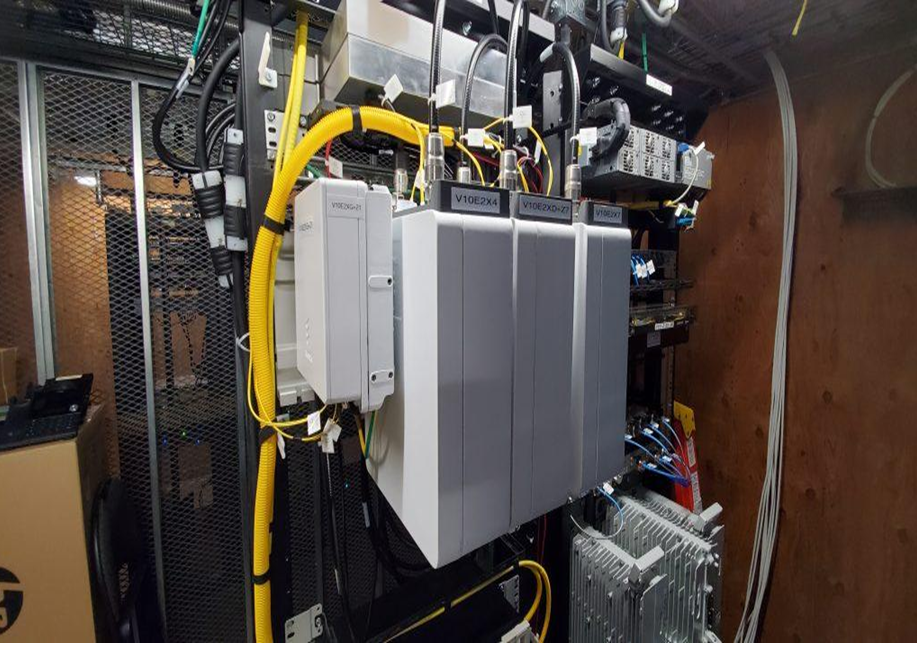
Public safety DAS installation should be planned with other building trades before crews start pulling cable or mounting equipment. Cable routes may share ceiling space with lighting, sprinklers, security devices, and mechanical systems. Equipment rooms also need suitable power and clear access. Early coordination helps prevent conflicts between trades. It also makes the work easier to schedule and reduces the chance that crews will need to move finished systems or reopen completed spaces later.
Power needs should be reviewed at the same time as cable routes. Emergency radio equipment may need protected circuits, backup power, grounding, ventilation, and clear service access. If these needs are found after electrical work is complete, the project may face extra cost and delay. Developers should confirm these details early and keep equipment areas easy to reach. This helps support reliable operation and makes future battery, alarm, and equipment checks much easier.
Public Safety Review and Approval Planning
A public safety DAS system should be planned with local testing and approval requirements in mind. The local authority may require certain documents, equipment details, coverage results, and inspection steps before giving approval. These requirements can differ by project, so developers should confirm them early. This helps the design team prepare the correct records from the beginning and reduces the chance of missing information or required changes close to final inspection or occupancy.
Closeout records should be prepared as the project moves forward, not left until the final week. Floor plans, antenna locations, equipment details, test points, and final results give owners and inspectors a clear view of the system. These records are also useful after the building opens. If a future renovation affects coverage, technicians can compare new test results with the original records instead of starting the entire review again.
Antenna Placement along Responder Routes
Antenna placement should follow the routes that emergency teams are most likely to use. Stairwells, garages, loading areas, command locations, hallways, and deep interior rooms may all need different coverage support. Placing antennas only by distance can leave weak areas or create too much overlap. Designers use survey results, building materials, cable loss, and room layouts to choose locations that support steady radio communication as responders move through the property.
Future access should also be considered when antennas and connections are placed. Equipment hidden above a difficult ceiling or behind permanent building systems can become expensive to inspect later. A small design change during construction can save a great deal of service time. For example, leaving clear access near a riser or antenna connection can make later testing much easier. Good placement supports both current coverage and the maintenance work that may be needed later.
DAS Testing and Long-Term Maintenance
Final testing should happen when the building is close to its finished condition. Doors, walls, ceilings, and major finishes can all change radio performance. Testing too early may miss weak areas that appear later. Public safety DAS installation planning should include enough time for final checks, changes, and retesting before closeout. This gives technicians a better chance to correct signal levels, antenna issues, or connection problems while access is still simple and practical.
The system also needs attention after the first successful test. Batteries age, connectors can loosen, antennas may move during ceiling work, and renovations may change signal paths. Regular inspections, alarm checks, battery reviews, and focused radio testing help keep the system reliable. Good records make future visits easier because technicians can quickly see how the system was built. Regular maintenance adds some ongoing work, but it can help prevent larger problems later.
Conclusion
Planning emergency radio coverage early gives business developers more control over cost, access, scheduling, and final testing. Strong projects connect surveys, design, cable routes, power, antenna placement, records, and maintenance into one clear process. This reduces last-minute surprises and helps the finished building support more reliable responder communication. It also gives owners better records and a stronger base for future inspections, repairs, tenant changes, and building upgrades.
CMC Communications supports Austin commercial projects with public safety DAS design, engineering, installation, RF grid testing, and project records. Their team can review building conditions, identify weak coverage areas, plan equipment and cable routes, and test system performance before closeout. This support can make emergency communication planning easier to manage with other construction work while helping developers create a safer, easier-to-maintain, and better-documented in-building radio system.
Frequently Asked Questions
Question: When should developers start planning emergency radio coverage?
Answer: Planning should begin while cable routes, equipment rooms, power, and ceiling spaces can still be changed without major work. Starting early gives the project team more options and helps avoid expensive changes later. It also leaves enough time for surveys, design updates, trade coordination, testing, and any fixes needed before the building reaches final inspection.
Question: Which building areas usually need the closest review?
Answer: Stairwells, garages, command areas, basements, mechanical rooms, loading zones, and deep interior spaces often need extra attention. These areas may contain thick walls, steel, or enclosed layouts that weaken radio signals. Checking them early helps the team find possible coverage gaps and plan antenna locations, cable routes, and equipment areas before access becomes difficult.
Question: Can building materials affect emergency radio coverage?
Answer: Yes. Concrete, steel, coated glass, fire-rated doors, and other heavy materials can weaken, block, or reflect radio signals. Coverage may work well near windows or entrances but become much weaker in interior rooms, lower floors, and stairwells. Testing helps the project team find these problem areas and decide where extra coverage support may be needed.
Question: Why should local approval requirements be checked early?
Answer: Local testing rules, required records, equipment standards, and inspection steps can differ from one project to another. Checking these requirements early helps developers plan the budget, design, and schedule more clearly. It also reduces the risk of finding missing documents or required changes near project completion, when extra work can become more expensive and harder to schedule.
Question: Does the system need maintenance after installation?
Answer: Yes. Batteries can weaken, connectors may loosen, antennas can move, and building changes may affect radio coverage over time. Regular inspections, alarm checks, battery reviews, and radio testing help keep the system working properly. Updated drawings and service records also make repairs easier because technicians can quickly understand the system and find each important component.